

Two slots can have the same RTP and still feel completely different.
One may deliver a steady stream of small wins. Another may go through dozens of spins before producing a meaningful payout. That is because RTP tells only part of the story. To understand how a slot actually plays, you also need to consider its volatility.
For a slot game development company, these figures are not just numbers in a technical document. They influence the pace of play, the emotional rhythm of each session, how long a player’s bankroll may last and how the game performs after launch. They also matter when titles are distributed through a casino games API, as operators need clear and accurate game data to build a balanced portfolio for different player preferences.
What does RTP mean?
RTP stands for Return to Player. It shows the theoretical percentage of all wagered money that a game is designed to return as winnings over a long period.
Suppose a slot has an RTP of 96%. In theory, it returns $96 from every $100 wagered. The other $4 represents the mathematical house edge.
But this calculation does not describe one player’s session.
A person can wager $100 and lose most of it. Another player may win far more than they deposited. RTP becomes visible only after a very large number of spins across many gaming sessions.
That is why describing RTP as a guaranteed refund is misleading. It is a statistical expectation, not a promise.
Players should also check the RTP inside the actual game they are opening. Some slots are released with several approved RTP settings. The title, graphics and bonus features may look identical, while the return percentage differs between operators.
What is slot volatility?
Volatility explains how a slot distributes its payouts.
A low-volatility game usually produces smaller wins more often. The balance tends to move up and down gradually, which can help players stay in the game longer on the same budget.
A high-volatility slot follows a different pattern. Wins may be rare, and losing streaks can feel long. When a strong combination or bonus round appears, however, the payout can be much larger.
Medium-volatility games sit between these two extremes. They combine regular smaller wins with occasional higher-value payouts.
Here is a simple way to picture the difference.
Imagine two slots with the same 96% RTP. The first returns much of that value through frequent wins worth one to five times the stake. The second concentrates more of its return in rare prizes worth hundreds or even thousands of times the stake.
Their theoretical return is the same. The playing experience is not.
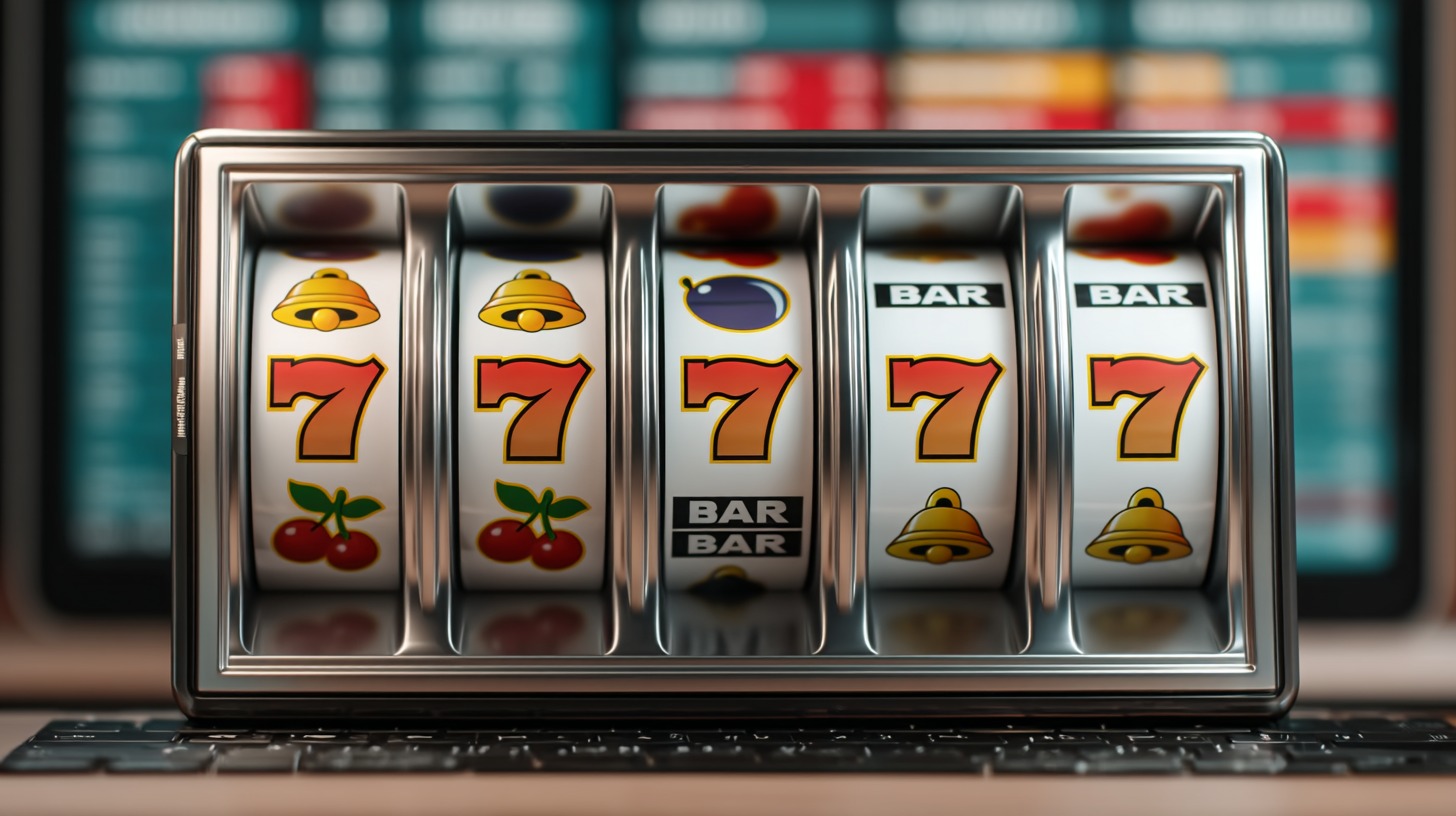
This distinction also matters when building a game portfolio within a turnkey casino solution. A platform filled only with high-volatility titles may appeal to thrill-seekers but frustrate casual players, while a broader mix gives operators a better chance of matching different budgets, risk preferences and playing styles.
Volatility is not hit frequency
These terms are often confused.
Hit frequency shows how often a spin produces a winning combination. Volatility considers both the frequency and the size of payouts.
A slot can have a high hit frequency because it regularly awards tiny amounts that are smaller than the original stake. The screen celebrates a win, but the player’s balance still drops.
Developers therefore study the complete mathematical model: hit rate, prize distribution, bonus frequency, maximum exposure and the share of RTP linked to each feature.
How does RNG fit into the picture?
The Random Number Generator, or RNG, selects the result of each spin.
It runs continuously and produces outcomes independently. A long losing sequence does not make a win “due.” A recent jackpot does not reduce the chance of another jackpot appearing on the next spin.
RTP defines the game’s long-term mathematical return. Volatility shapes the payout pattern. RNG determines the individual result.
These systems perform different jobs, but they work together.
In regulated markets, online slots are normally tested against technical and mathematical requirements before release. Testing may cover RNG behaviour, payout calculations, game rules and whether the published information matches the approved version.
Does a higher RTP make a slot better?
Not automatically.
A higher RTP gives players a stronger theoretical return over extended play. It does not guarantee frequent wins, a longer session or a more enjoyable game.
A 97% high-volatility slot may drain a small bankroll quickly if the player does not reach its valuable features. A 95.5% low-volatility game may feel more forgiving because it produces regular payouts.
The better choice depends on what the player expects from the session.
Someone playing casually may prefer steady feedback and modest balance swings. A player chasing large multipliers may accept longer dry periods. Others compare RTP first and then study the paytable, bonus mechanics and maximum win.
Using RTP in game marketing
RTP can strengthen trust when it is explained clearly.
Operators and studios should show the active percentage, especially when several configurations exist. They should also state whether bonus buys, jackpots or optional modes use different mathematical settings.
What they should not do is present a high RTP as proof that a player is likely to win today.
Clear information works better than exaggerated promises. It helps players choose a suitable game and gives operators fewer reasons to deal with disappointment caused by unrealistic expectations.